Many Canadians still owe money on their vehicle when they're ready to upgrade. The good news? You can absolutely trade in a car with an outstanding loan. Here's exactly how it works.
How the Trade-In Process Works With a Loan
When you trade in a financed vehicle, the dealer handles the lien payoff as part of the transaction:
- Appraisal:The dealer assesses your vehicle's trade-in value
- Payoff quote:Your lender provides the exact remaining balance
- Equity calculation:Trade-in value minus loan balance = your equity (positive or negative)
- Application:Positive equity is applied to your new purchase; negative equity (being "upside down") is rolled into the new loan
Positive vs. Negative Equity
Positive equitymeans your car is worth more than you owe - this is the ideal scenario. For example, if your car is worth $20,000 and you owe $15,000, you have $5,000 in equity toward your next vehicle.
Negative equity(being "underwater") means you owe more than the car is worth. This is common in the first 1 - 2 years of ownership. While you can still trade in, the remaining balance gets added to your new loan.
Tax Advantage in Ontario
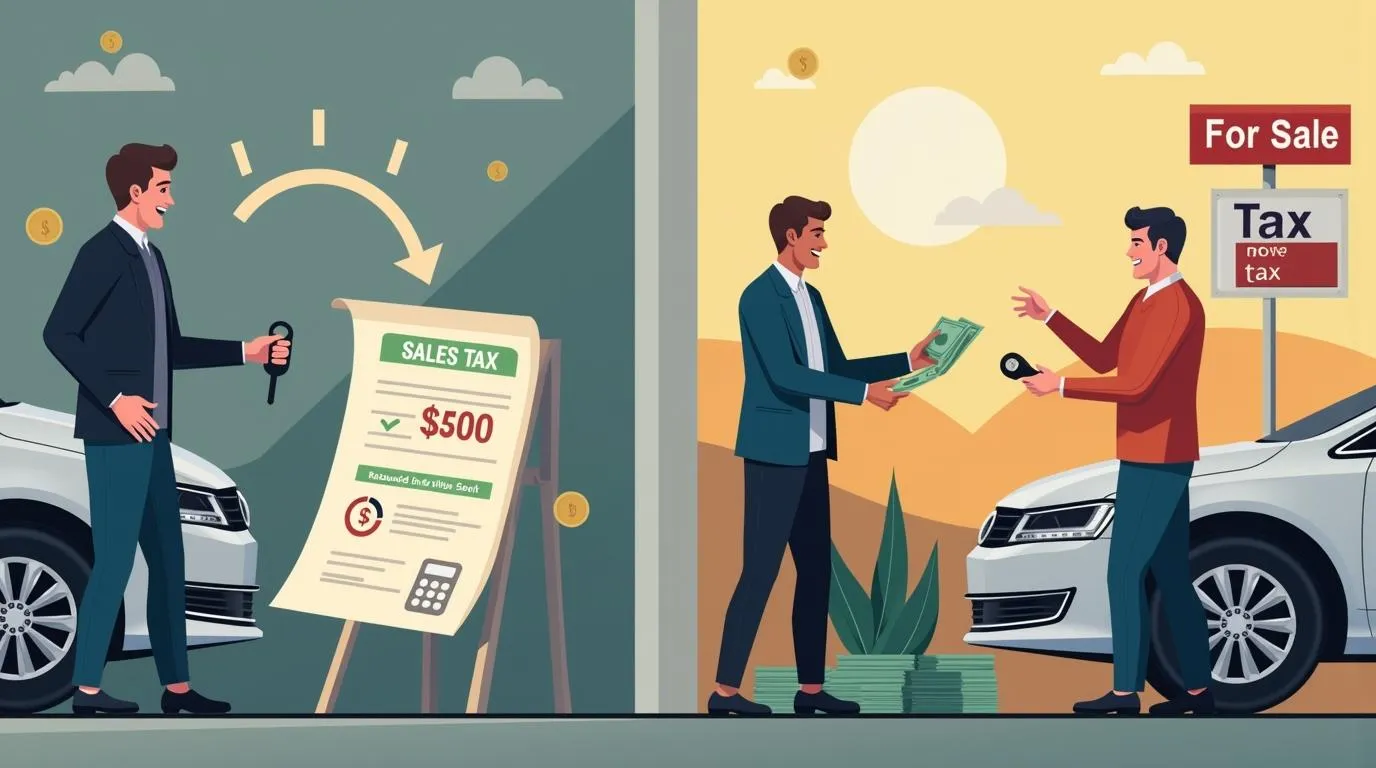
In Ontario, you only pay HST on the net price after trade-in. If you buy a $30,000 car and trade in your $18,000 vehicle, you pay HST on $12,000 - saving you $2,340 in tax.
What You Need to Bring
- Vehicle registration (ownership)
- Loan account number and lender details
- Valid driver's license
- Both sets of keys and any accessories
Planet Motors Makes It Easy
We handle the entire lien payoff process. Bring your car to our Richmond Hill location - we'll contact your lender directly, pay off your balance, and apply any equity to your next vehicle. The entire process takes less than an hour.