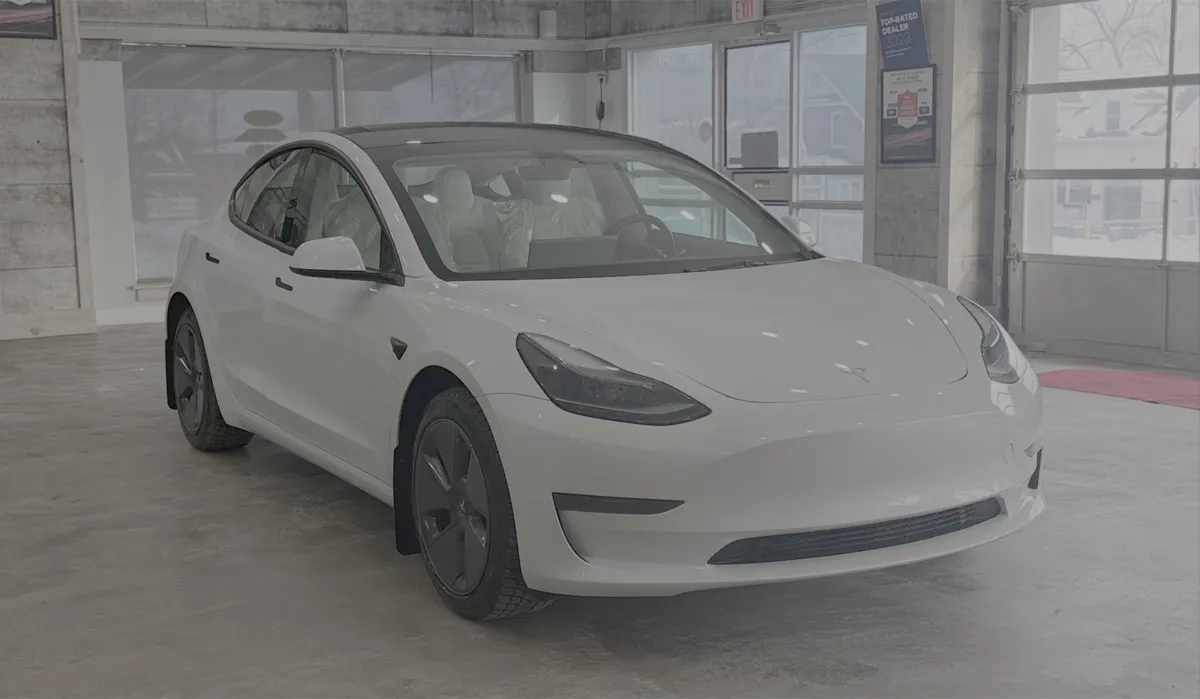
If you are shopping for a used electric car in Ontario, you have probably already noticed the prices look great. A three-year-old EV can cost less than a comparable gas car, and the fuel savings are real, especially with Ontario's overnight electricity rates. So why does everyone hesitate?
One reason: the battery. It is the single most expensive part of the car, it is the one component you cannot see, and nobody wants to be the person who buys a used EV only to discover its range has quietly shrunk. That worry is fair. It is also completely solvable, and this guide is about how.
See used EVs with verified battery health. Every electric vehicle we sell can include an independent AVILOO battery certificate, so you buy on facts instead of hope. Browse our used EVs.
With a used EV, the battery is the car
When you buy a used gas vehicle, you check the odometer, the service history, and whether it has been in a collision. A clean Carfax and a one-owner record tell you most of what you need to know. An EV is different. The engine equivalent, the high-voltage battery pack, degrades slowly over years and kilometres, and two identical-looking cars with the same mileage can have meaningfully different real-world range depending on how they were charged, driven, and parked.
Ontario shoppers often over-worry about this: modern EV batteries degrade far more gently than the early headlines suggested. A well-kept used EV can have years of dependable driving left. The trick is knowing which used EV you are looking at, and that comes down to one measurement.
What "state of health" actually tells you
State of health, or SOH, is the battery's current usable capacity compared to when it was new, expressed as a percentage. A battery at 92% SOH holds 92% of its original energy, which translates almost directly into 92% of its original range. It is the EV equivalent of a compression test on an engine: a single honest number that cuts through guesswork.
Why we put a number on it before you ask
We are an AVILOO Certified Partner, which means our EVs can be tested with an independent battery diagnostic that produces a verified SOH certificate from a third party, not a salesperson's guess. We would rather hand you that number up front than have you wonder about it in the parking lot. If a used EV's battery health is not something a seller will quantify, that silence is its own answer.
What an Ontario winter really does to range
Cold weather comes up on every Ontario EV test drive. Range drops in winter. Below freezing, you can expect to temporarily lose somewhere in the range of 20 to 40 percent, depending on the car, the temperature, and how much you lean on the heater. A car that does 400 km in July might do closer to 280 km on a bitter January morning.
That loss is temporary. Range returns when the weather does. And it is predictable, so you can plan for it. Buy a little more range than your average day requires, and Ontario winters become a non-issue.
Charging a used EV here: home, work, and the 401
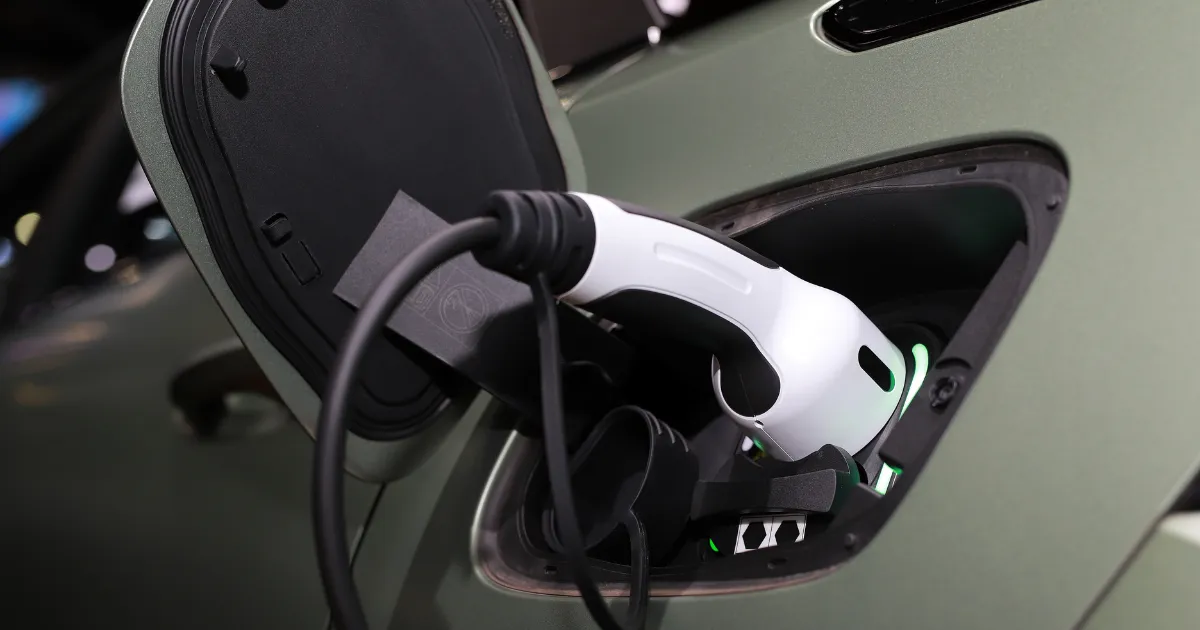
For most Ontario owners, charging is simpler than expected because the overwhelming majority of it happens at home, overnight, while you sleep. A Level 2 charger on a 240-volt circuit will fully replenish almost any EV by morning. If you have a driveway or a garage, this is the whole game.
No home charging? It is still workable, but go in clear-eyed. For longer trips up the 400 or along the 401, fast chargers can add a large chunk of range in 20 to 40 minutes over a coffee stop. If your charging access is limited or your driving is unpredictable, a plug-in hybrid gives you electric running for daily trips and a gas engine for everything else. We stock both for exactly this reason.
Not sure if an EV or a plug-in hybrid fits your driving? Tell us your commute and charging situation. We will point you to the right car without the pressure or jargon. Talk to our team.
The money side: rebates, HST, and what you will actually pay
You will pay 13% HST on the purchase in Ontario, the same as any vehicle. Running costs are where EVs pull ahead: electricity is dramatically cheaper than gasoline per kilometre, especially on a time-of-use plan, and EVs skip oil changes and a long list of engine maintenance entirely.
Incentives change often, so confirm current eligibility before you count on a dollar figure. As of early 2026, the federal Electric Vehicle Affordability Program offers up to $5,000 toward eligible battery-electric vehicles and up to $2,500 toward eligible plug-in hybrids, subject to a price cap and program rules. Ontario does not currently run its own provincial EV purchase rebate. Ask us and we will tell you what applies to a specific car on our lot.
How to read a used EV listing without getting burned
- Battery state of health: a measured percentage, ideally on an independent certificate.
- Accident and ownership history: clean Carfax and, ideally, single ownership.
- Exact trim and battery size (range varies widely within the same model name).
- Heat pump vs. resistive heating (winter efficiency).
- Remaining factory battery warranty (many EV batteries carry an 8-year warranty).
- All-in price from a registered dealer advertised price must include all fees except HST and licensing.
The Planet Motors standard
We have sold cars in Ontario since the mid-2000s on one stubborn principle: we only sell vehicles we would put our own name behind. That means clean Carfax, no-accident, one-owner inventory. We do not sell accident-history cars, full stop. For our EVs and plug-in hybrids, it also means battery health you can see, backed by AVILOO certification rather than a salesperson's reassurance. We are an OMVIC-registered dealer, our pricing is all-in with no cash surcharges, and we handle your information under PIPEDA and only collect what we need for the transaction.
Found an EV elsewhere? Send us the listing and we will tell you what to ask about its battery, history, and price before you sign anything. Get a second opinion.
Frequently asked questions
How long do used EV batteries last?
Most modern EV batteries are built to outlast the rest of the car, with manufacturers commonly warrantying them for 8 years. Real-world degradation is slow and predictable after the first couple of years, which is why a measured state-of-health number is the best way to judge any individual used EV.
What is a good battery state of health for a used EV?
As a general guide, a battery above roughly 90% state of health is excellent, and the low-to-mid 80s can still be reasonable depending on price and range needs. The right answer depends on the specific car, which is why we provide a verified figure rather than a rule of thumb.
Do I lose a lot of range in Ontario winters?
Temporarily, yes. Expect roughly a 20 to 40 percent reduction in deep cold, mostly from cabin heating, and it returns when temperatures rise. Buying a little more range than your daily driving requires makes winter a non-issue.
Can I get a rebate on a used EV in Ontario?
Federal EV incentives exist and change periodically, and Ontario does not currently offer its own provincial purchase rebate. Always confirm current eligibility and price caps before counting on a rebate, or ask us about a specific vehicle.
Do I need a home charger to own an EV in Ontario?
A Level 2 home charger is the easiest setup and fully charges most EVs overnight. It is not mandatory if you have reliable public charging near home or work, but your charging access should guide whether an EV or a plug-in hybrid suits you better.
Why buy a used EV from a dealer instead of privately?
A registered OMVIC dealer is accountable for all-in pricing, disclosure, and consumer protections that private sales do not offer. At Planet Motors you also get clean-history, no-accident vehicles and verifiable battery health.
Vehicle availability, pricing, and specifications are subject to change. Advertised prices are all-in and exclude HST and licensing. Government incentive programs change frequently, verify current terms at the time of purchase. Battery state-of-health figures reflect a test at the time of testing. General information, not financial, legal, or tax advice.