Every car on our lot in Richmond Hill goes through the same process before a customer ever sees it. We call it the 210-point inspection. It takes between 2 and 4 hours per vehicle depending on what we find. Here is what actually happens.
Phase 1: The paperwork floor
Before anyone touches the car, our acquisitions team pulls the CARFAX Canada report, checks for liens through Ontario's PPSA registry, verifies the service history, and confirms the vehicle has not been flagged as stolen, written off, or rebuilt.
About 15% of the cars offered to us never make it past this step. We have declined cars with title brands the seller "forgot" to mention, odometer discrepancies, and at least one vehicle that had been through a flood in Quebec and re-registered in Ontario. A clean CARFAX is not the whole story, but a bad one ends the conversation immediately.
Phase 2: The lift inspection
The car goes onto a hoist. Our technician spends about 40 minutes underneath checking:
- Frame and unibody for accident damage, rust, or previous repair work
- Suspension components — control arms, bushings, ball joints, tie rods, sway bar links
- Brake pads and rotors — measured with a caliper, not eyeballed. Minimum 4mm remaining or they get replaced
- CV axles, boots, driveshaft for tears or leaks
- Exhaust system for rust-through, leaks, and mounting integrity
- Underbody shields and EV battery casing for impact damage (critical on EVs)
- Fluid leaks — engine oil, transmission, coolant, brake fluid, differential
We photograph anything we find. The service records for every car we sell include the inspection photos. If we replaced a control arm bushing at 78,000 km, you can see the before-and-after.
Phase 3: The drivetrain
Engine (or drive unit on an EV) gets a cold-start listen, an oil analysis if the service history is thin, and a compression or leak-down test if we hear anything off. Transmission fluid is checked for colour, smell, and level. On AWD vehicles we verify the transfer case and rear differential are clean and quiet.
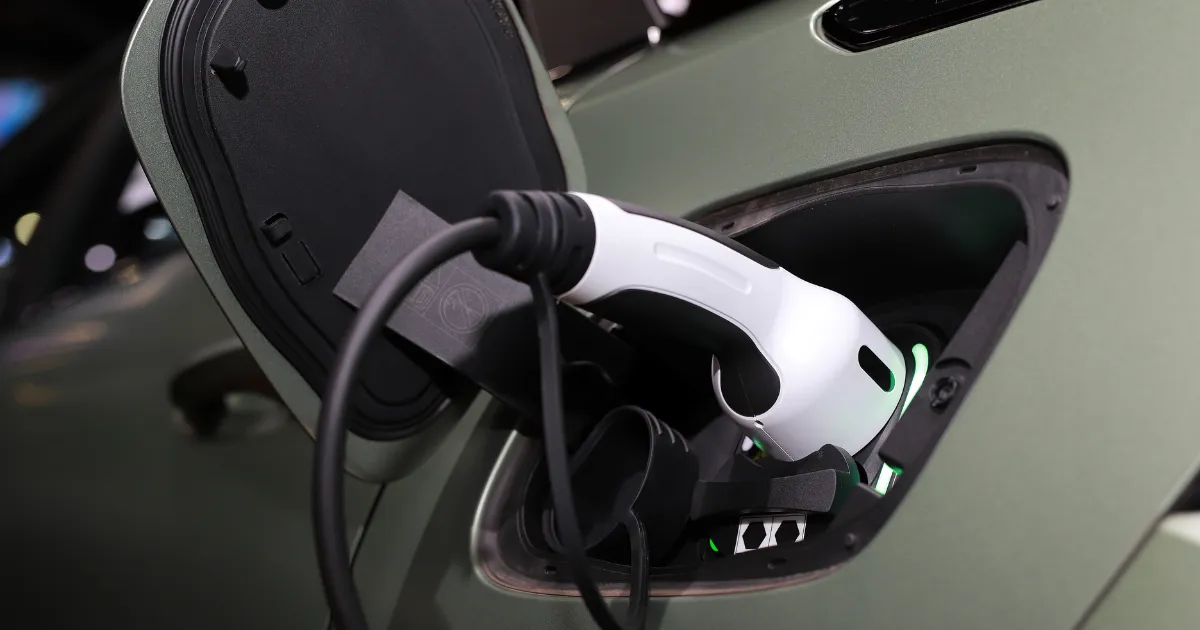
On EVs, this phase is different. Instead of an engine, we connect the AVILOO diagnostic tool and run a full battery state-of-health test. We measure cell voltage balance, internal resistance, and actual capacity versus specification. The report goes into the car's file and onto the VDP. No other dealer we know of in Ontario does this on every EV.
Phase 4: The road test
Every vehicle gets a 15–20 km road test on a mix of highway and surface streets. The tech listens for unusual noises, feels for alignment pulls or brake pulsation, and verifies every electronic system works — adaptive cruise, lane keeping, parking sensors, cameras, heated seats, infotainment, everything.
If the car has Autopilot or FSD, we test it. If it has a panoramic roof, we check for wind noise at highway speed. If it has air suspension, we cycle it through all height settings. Nothing gets the "probably fine" pass.
Phase 5: The reconditioning
Everything flagged in phases 1–4 gets a repair estimate. We have a threshold: if the total exceeds what makes sense for the vehicle's market value, we wholesale it instead. We do not sell cars that need more work than they are worth.
Typical reconditioning on a 4-year-old used car: new brake pads and rotors ($600–900), four new tires if below 5/32" tread ($800–1,200), full detail inside and out ($300), minor paint correction for stone chips and scratches ($200–500). Total: about $2,000 per vehicle. That is our cost. We eat it. The price you see on the website already includes all of this work.
Phase 6: The final sign-off
The inspection checklist is 210 items long. Every single one gets a checkmark, an X, or an N/A. The checklist is signed by the technician who did the inspection and countersigned by our service manager. It goes into the car's file. If you buy the car, we give you a copy.
This process is not magic. It is just thoroughness. We cannot guarantee a used car will never need a repair — no one can. But we can guarantee we looked at everything before you did.
Shop this topic
Ready to act on what you read? Start with these Planet Motors pages.